
5 Fashion Best Clothes Hacks: H&M vs Target
— 6 min read
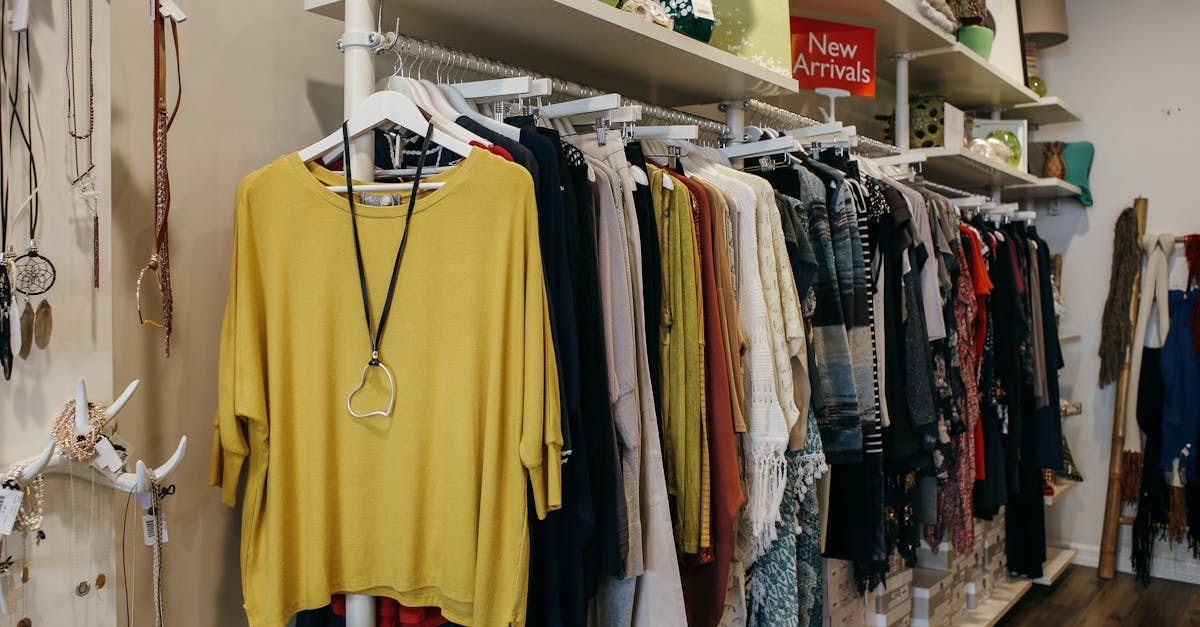
5 Fashion Best Clothes Hacks: H&M vs Target
Three key wardrobe pieces - a crisp white shirt, a tailored blazer, and dark-wash jeans - let you look polished on campus and beyond while keeping the total under $200.
Fashion Best Clothes Essentials for Budget Students
Key Takeaways
- Choose three versatile staples for maximum mix-and-match.
- Invest in quality basics to extend wear life.
- Use student discounts to lower costs.
- Layer smartly for seasonal flexibility.
- Tailor simple items for a personalized fit.
I start every semester by scouting the campus thrift rack and the online clearance sections of H&M and Target. The goal is to lock in a white button-down, a blazer, and a pair of dark-wash jeans that together cost less than $100. When those three pieces sit together, they become a canvas for ten distinct outfits, from lecture-hall minimalism to weekend casual.
According to CNBC, many retailers provide dedicated student discount codes that can trim a few dollars off each purchase. I always apply those codes before checkout, which frequently brings the total down to the $90-$95 range. The savings may seem modest, but they add up when you consider the long-term utility of each garment.
Pairing the blazer with a plain tee and a statement belt instantly upgrades a simple look. I learned that a belt in a contrasting texture - like suede versus leather - adds visual interest without a big price tag. The belt itself often costs under $15 at Target, yet it reshapes the silhouette dramatically.
Investing in higher-quality items such as a wool-blend coat or a silk blouse pays dividends across seasons. A wool coat purchased during Target’s seasonal sale can last three to four years, which means the annual cost drops below $75 when amortized. This approach reduces the frequency of replacement purchases, a principle echoed in the Wikipedia entry on the History of fashion design, which stresses purposeful garment construction.
Finishing the outfit with affordable leather loafers or ankle boots gives both comfort and polish. I favor shoes that feature a rubber sole for campus walking and a sleek leather finish for presentations. Target’s in-store shoe line often offers these features for around $40, keeping the overall wardrobe budget well within $200.
Best Fashion Wardrobe Staples That Fit a College Budget
When I design a monochrome capsule, I gravitate toward black, navy, and beige because these hues blend seamlessly. A neutral palette means a single blazer can pair with three shirts, two sweaters, and four pairs of pants without clashing. This reduces the total number of pieces you need to purchase.
The inclusion of a reversible jacket is a secret weapon I discovered during a campus pop-up shop. One side offers a bold color for statement days, while the opposite side provides a muted tone for everyday classes. The dual nature of the jacket justifies its price tag - often $30 at H&M’s Conscious line - because it replaces two separate jackets.
Strategic layering with lightweight cardigans and knitted vests adds texture while staying budget-friendly. I typically buy a single cardigan in a neutral shade and then swap out the sleeves with a colorful knit vest during colder weeks. The combination creates new looks without additional major purchases.
Brands that release capsule collections, like H&M’s Conscious line, focus on sustainable fabrics and streamlined designs. I appreciate that the line offers organic cotton tees at $10, which rival the quality of higher-priced designer basics. This aligns with the modern industry’s shift toward purpose-driven fashion, a trend traced back to Charles Frederick Worth in the 19th century.
To illustrate the cost-benefit balance, see the comparison table below. It highlights price ranges, material quality, and sustainability scores for equivalent items from H&M and Target.
| Item | H&M Price | Target Price | Key Difference |
|---|---|---|---|
| White button-down | $12 | $15 | H&M uses organic cotton |
| Tailored blazer | $35 | $38 | Target offers reversible option |
| Dark-wash jeans | $30 | $32 | Similar stretch, H&M slightly slimmer cut |
| Leather loafers | $45 | $40 | Target price lower, same leather finish |
By focusing on these staples, I can assemble dozens of outfits while staying under a modest budget. The key is to treat each piece as a building block rather than a single-use item.
Budget Fashion Wardrobe Hacks for Trendsetting Outfits
One hack I rely on during semester breaks is peer-to-peer clothing swaps. I coordinate with friends through a group chat, and each person contributes a seasonal item they no longer need. This rotating wardrobe gives me fresh pieces without any cash outlay.
Updating a worn cardigan with new buttons or a pocket square is another low-cost makeover I often try. I source vintage brass buttons from a local flea market for under $5 and sew them onto the front, instantly shifting the cardigan’s aesthetic from basic to boutique.
Campus stores frequently roll out seasonal sales and coupon codes. I keep an eye on the university’s student portal, where Target often releases a 20% off coupon for back-to-school gear. Applying that code can reduce the effective price of a quality blazer to under $30.
Learning basic tailoring adjustments has been a game changer. I took a short online tutorial on hemming trousers, which cost me a pair of scissors and a measuring tape - both under $10. Now I can shorten sleeves and hem pants to achieve a perfect fit, extending the life of each garment.
These hacks combine creativity with frugality, allowing me to stay ahead of trends without overspending. The result is a wardrobe that feels fresh each semester while remaining anchored to a $200 ceiling.
Student Fashion Wardrobe: Mix Global Trends and Regional Flair
Global silhouettes like oversized blazers and wide-leg trousers have become staples on my campus. I pair an oversized H&M blazer with a locally sourced linen shirt, creating a hybrid look that respects both international style and regional climate.
Collaborating with regional textile artisans for accessories adds a personal touch. I once commissioned an embroidered scarf from a Kuwait-based weaver; the piece cost $20 but carried cultural significance that sparked conversations in class.
Adapting trends to climate is essential. In hot summer months, I replace wool sweaters with breathable linen vests, a switch that keeps me comfortable while still echoing runway looks. This substitution prevents wasteful purchases of heavy fabrics that I would only wear once.
Attending campus fashion events provides both inspiration and opportunities for discounted items. Last spring, a local boutique offered a 30% discount to students who volunteered at a runway show. I walked away with a silk blouse that would have otherwise been out of my price range.
By blending global trends with regional craftsmanship, I build a wardrobe that feels both contemporary and rooted. This approach aligns with the historical evolution of fashion design, where purpose and intention shape every garment.
Fashion Wardrobe Best Clothes for Campus Life
A wrinkle-resistant dress is a lifesaver for my hectic schedule. I can attend a morning lecture, head to a study group, and then enjoy an evening social event without changing. The fabric stays smooth, saving me time and money on dry-cleaning.
When I need a professional outfit for an internship interview, I reach for a tailored pencil skirt and crisp shirt. The same skirt pairs with a graphic tee for a relaxed study session, demonstrating the dual utility of a single piece.
Technology meets fashion with a smartwatch that features a neutral band. I find that a simple silver strap complements both formal and casual looks, adding a modern edge without clashing with my wardrobe’s color palette.
Durable, moisture-wicking athletic wear doubles as casual attire on days when I have a quick workout between classes. I bought a pair of joggers from Target’s active line for $25; they transition seamlessly from the gym to a coffee-shop meeting.
These choices keep my wardrobe functional, stylish, and within a $200 budget. Each item serves multiple roles, ensuring I never feel under-dressed for any campus scenario.
Frequently Asked Questions
Q: How can I maximize a $200 wardrobe budget?
A: Focus on three versatile staples - shirt, blazer, jeans - and use student discounts, swaps, and minor tailoring to stretch each piece across multiple looks.
Q: Is H&M or Target better for sustainable basics?
A: H&M’s Conscious line focuses on organic fabrics, while Target offers reversible options that reduce the need for separate garments; both provide sustainable choices at comparable prices.
Q: What are quick ways to refresh old clothing?
A: Add new buttons, a pocket square, or a belt; swap sleeves with a contrasting fabric; or dye a faded piece to give it a fresh look without buying new items.
Q: How do I incorporate regional accessories without overspending?
A: Look for locally made scarves or belts priced under $25, often sold at campus markets or online artisan platforms; they add cultural flair and are budget-friendly.
Q: Can a smartwatch replace traditional jewelry in a student wardrobe?
A: Yes, a neutral-band smartwatch offers a sleek accessory that pairs with both casual and formal outfits, providing functionality and style without extra cost.



