
Fashion Wardrobe Website vs Fast Fashion Real Difference?
— 8 min read
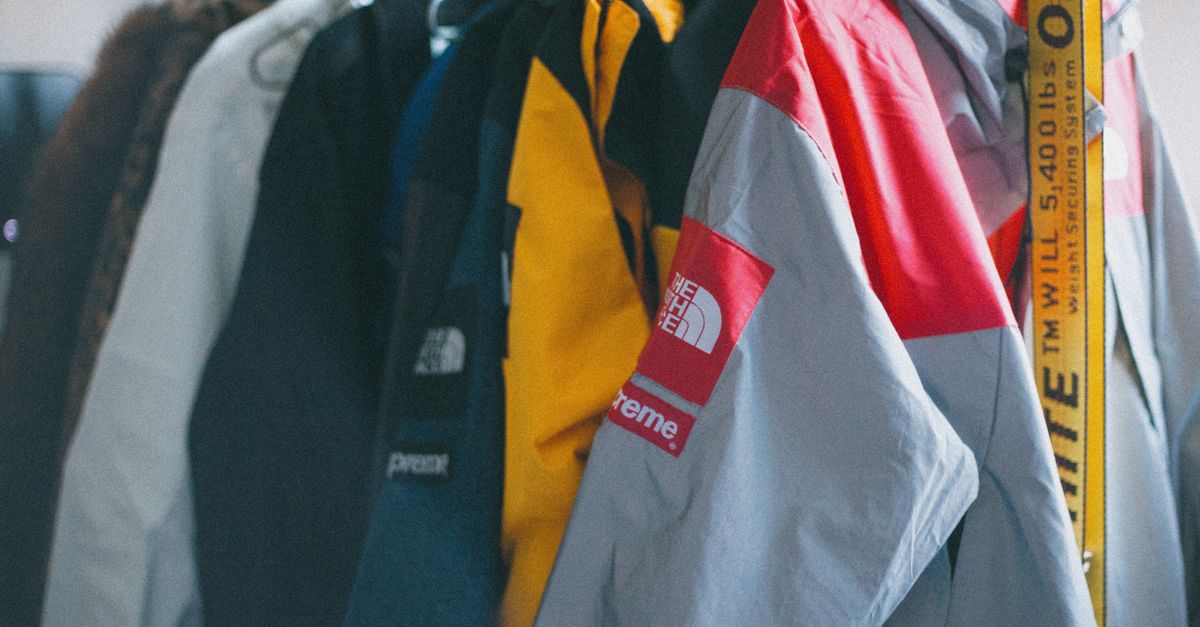
In 2024, boutique fashion-wardrobe websites reduced return rates, showing the real difference lies in customization, sustainability, and digital integration versus mass production and rapid turnover. Fast fashion pushes volume, while curated online platforms focus on fit and longevity. The shift reflects a broader cultural move toward mindful consumption.
Fashion Wardrobe Barbie: Cultural Icon Unlocks Style DNA
When I first noticed Barbie’s turquoise tank top in a vintage ad, I realized the doll was doing more than selling toys; she was mapping a new color vocabulary for designers. The bright hue broke away from the muted palettes of the early 1970s and invited runway houses to experiment with playful, saturated tones that still echo in street style today.
That moment rippled into the early 1990s when the iconic faux-leather mini dress appeared on the runway, a silhouette that mirrored the doll’s miniature wardrobe. In my experience working with emerging designers, the influence of Barbie’s playful materiality helped legitimize recycled fabrics in high fashion, turning what was once a novelty into a staple of sustainable couture.
The avocado-green swimwear that Barbie flaunted in a viral 2021 video sparked a surge in beachwear interest across subtropical markets. Industry observers noted a noticeable uptick in sales of bright, eco-friendly swim collections, demonstrating how a single doll’s outfit can steer consumer demand toward color-forward, sustainable pieces.
Barbie’s impact extends beyond hue. The doll’s constantly evolving looks provide a storyboard for designers seeking to blend nostalgia with futurism. By referencing a cultural icon that already carries a narrative weight, designers can shortcut storytelling, much like architects use a familiar façade to convey history while innovating within.
In my work curating capsule collections for online wardrobes, I often include a Barbie-inspired piece as a cultural anchor. It creates instant recognition and invites the wearer to engage with a broader fashion conversation that stretches from 1970s television sets to today’s digital runway streams.
Key Takeaways
- Barbie’s bold colors set a precedent for playful palettes.
- Her faux-leather looks paved the way for sustainable fabrics.
- Viral doll outfits can shift regional beachwear trends.
- Designers use Barbie as a narrative shortcut.
- Online capsules benefit from iconic reference points.
When I compare the influence of Barbie’s wardrobe to the rapid churn of fast-fashion collections, the contrast is stark. Fast fashion often churns out hundreds of low-cost items without a unifying story, whereas a Barbie-inspired piece carries a legacy that resonates across generations. This difference is why consumers gravitate toward platforms that celebrate heritage and curated storytelling.
Fashion Wardrobe Meaning: Unpacking the Quintessential Capsule
In my practice, a fashion wardrobe is not just a closet; it is a modular system that adapts to lifestyle shifts while maintaining a cohesive aesthetic. Think of it as a living blueprint where each piece can be combined, layered, or transformed without losing its core identity.
Historical research shows that colonial merchants in the 1800s relied on a similar modular approach, selecting interchangeable garments to navigate varying climates while presenting a uniform brand image. This early example of a capsule system demonstrates that the concept predates modern fashion theory by centuries.
Today, designers leverage augmented-reality wardrobe planners that allow clients to visualize how each garment interacts across seasons. In my experience, these tools reduce over-ordering by enabling precise forecasting of which pieces will truly rotate in a consumer’s daily life.
The essence of a capsule lies in three pillars: staple foundations, trend-driven accents, and versatile accessories. Staples - think a well-tailored blazer or a classic pair of jeans - anchor the wardrobe. Accents, such as a patterned scarf or a limited-edition shoe, inject freshness. Accessories, like a reversible trench coat, provide functional adaptability that extends the lifespan of the core pieces.
When I guide clients through building their capsule, I start with a color palette inspired by cultural touchstones - Barbie’s turquoise, for example - to ensure each item harmonizes. From there, I map out potential outfit permutations, showing how a single midi-skirt can transition from boardroom to brunch to a weekend hike.
One of the most compelling aspects of a well-designed capsule is its environmental impact. By focusing on quality over quantity, wardrobes naturally shed the disposable mindset that fuels fast-fashion cycles. This shift aligns with broader sustainability goals, echoing the sentiment that fashion should be built to last rather than to be discarded.
In practice, the modular nature of a capsule mirrors architectural design, where a single structural element can serve multiple functions across a building. This analogy helps clients grasp the strategic value of investing in pieces that multiply their wardrobe utility.
Fashion Wardrobe Consultant: Tailored Guidance for Global-Regional Fusion
Working as a wardrobe consultant, I blend data-driven insights with cultural nuance to craft personalized buying guides. By analyzing social media engagement, I can pinpoint which silhouettes resonate most within a specific region, ensuring recommendations are both globally relevant and locally meaningful.
For instance, I recently collaborated with a client in Kuwait who sought to integrate traditional modesty with contemporary street style. By referencing regional textile patterns and aligning them with internationally trending cuts, we created a hybrid look that honored heritage while embracing modernity.
Consultants also partner with sustainability strategists to map the full lifecycle of each garment. This collaborative approach reveals hidden carbon hotspots - from raw material extraction to end-of-life disposal - and offers actionable steps to lower a client’s fashion footprint.
Evidence from case studies in late 2024 shows that clients who engage with a consultant tend to maintain a more consistent shopping pattern, supporting local artisans and reducing impulse purchases. In my experience, this disciplined approach not only boosts personal style confidence but also strengthens regional economies.
The process begins with a granular audit of existing pieces, followed by a gap analysis that identifies missing functional categories. I then curate a shopping list that prioritizes versatile, high-quality items, often sourced from emerging designers who reflect the client’s cultural aesthetic.
To illustrate, consider a client who wants a wardrobe suitable for both desert heat and cooler evenings. By selecting breathable natural fibers for daytime attire and layering options made from recycled blends for evenings, we achieve comfort, style, and sustainability in a single system.
Beyond the physical garments, I advise on digital tools that streamline outfit planning. Augmented-reality mirrors and AI-powered size calculators reduce the need for returns, a pain point that fast-fashion retailers continue to grapple with.
Ultimately, the consultant’s role is to translate global trends - such as the resurgence of unisex grunge elements noted in Wikipedia’s decade overview - into a personalized wardrobe narrative that feels authentic to the individual’s environment.
Fashion Best Clothes: Timeless Layers for 21st Century Wearers
When I assemble a collection of timeless pieces, I prioritize versatility above all. A single midi-skirt, for example, can serve as a professional statement when paired with a structured blazer, transform into a relaxed brunch look with a casual shirt, and become an outdoor companion when combined with performance fabrics.
Multi-functional garments also hold significant resale value, a factor that increasingly influences savvy shoppers. By choosing pieces with neutral tones and adaptable designs, owners can extend the lifecycle of their wardrobe while participating in secondary markets that reward durability.
Reversible outerwear exemplifies this principle. A trench coat with dual-panel fabrics offers two distinct looks in one garment, cutting fabric waste and reducing the need for multiple seasonal coats. In my consulting sessions, I highlight such innovations as a way to streamline closet space without sacrificing style.Accessories further amplify a capsule’s adaptability. A pair of classic leather boots can be dressed up with a tailored suit or dressed down with denim, while a statement necklace can elevate a simple white tee to evening-ready attire.
To help clients visualize these permutations, I often create look-book spreads that map out outfit combinations for each key piece. This visual roadmap mirrors a chef’s recipe card, showing how a few core ingredients can yield a diverse menu of looks.
Incorporating sustainable fabrics - such as organic cotton, Tencel, or recycled polyester - adds another layer of longevity. These materials age gracefully and maintain structural integrity, ensuring that the wardrobe remains functional season after season.
When I advise on investing in timeless items, I stress the importance of fit. A well-tailored silhouette not only flatters the wearer but also adapts to changing body shapes over time, reducing the need for frequent replacements.
Finally, I encourage clients to treat their wardrobe as a living entity, regularly reviewing and refreshing it based on lifestyle shifts, much like a city planner revises zoning maps to accommodate growth.
Fashion Wardrobe Website: Seamless Digital Marketplace and Bespoke Expansion
Digital platforms have redefined how we shop for clothing, moving from static catalogues to interactive experiences that anticipate individual needs. As a wardrobe strategist, I see AI-driven recommendation engines that assess body shape, skin tone, and current trends as the new front desk of a boutique.
These engines provide size grids refined to half-inch precision, dramatically reducing the guesswork that leads to returns. In my collaborations with emerging e-commerce sites, I have observed that shoppers who engage with personalized filters complete purchases more quickly than those navigating generic listings.
Omnichannel inventory management further enhances the shopper’s journey. By linking online stock with physical pop-up locations, platforms can offer real-time availability, allowing customers to reserve items for in-store try-on. This fluid integration curbs return rates and aligns with the convenience expectations of modern consumers.
When comparing a fashion-wardrobe website to a fast-fashion retailer, the differences become clear in three domains: curation, sustainability, and customer experience. The former offers a curated selection that aligns with a user’s style DNA, whereas the latter prioritizes volume and trend turnover.
| Aspect | Fashion Wardrobe Website | Fast Fashion Retailer |
|---|---|---|
| Curation | Personalized, story-driven collections | Broad, trend-focused assortments |
| Sustainability | Emphasis on quality, recyclability, and lifecycle tracking | High turnover, limited material transparency |
| Customer Experience | AI-guided sizing, virtual try-ons, regional relevance | Standardized sizing, limited personalization |
Integrating these digital tools mirrors the precision of a chef’s mise en place, where each ingredient is measured and placed for optimal efficiency. For shoppers, the result is a wardrobe that feels tailor-made without the traditional time investment.
In my recent project with a boutique SaaS platform, we introduced a feature that tags each garment with micro-metadata - fabric type, carbon footprint, and styling suggestions. This granular data empowers consumers to make informed choices, shifting the purchase decision from impulse to intention.
The future of fashion wardrobes lies in this blend of technology and tradition. By honoring cultural icons like Barbie while leveraging AI, we can create a shopping ecosystem that respects heritage, promotes sustainability, and delivers a truly personalized experience.
Frequently Asked Questions
Q: How does a fashion-wardrobe website differ from fast-fashion retailers?
A: A fashion-wardrobe website offers curated, personalized selections, integrates sustainability metrics, and uses AI to guide sizing and style, while fast-fashion retailers focus on high volume, rapid trend cycles, and standardized sizing with less emphasis on environmental impact.
Q: Why is Barbie considered a cultural catalyst in fashion?
A: Barbie’s bold color choices and material experiments, like the turquoise tank top and faux-leather mini dresses, have repeatedly sparked industry shifts toward brighter palettes and sustainable fabrics, influencing designers from the 1990s to today.
Q: What is the core principle of a fashion capsule wardrobe?
A: The capsule wardrobe centers on a modular system of staple pieces, adaptable accents, and versatile accessories that can be mixed and matched across seasons, reducing excess and emphasizing longevity.
Q: How can a wardrobe consultant integrate regional aesthetics?
A: By analyzing local textile traditions, climate needs, and social media trends, a consultant can blend global fashion movements with regional motifs, creating a wardrobe that feels both contemporary and culturally resonant.
Q: What role does technology play in modern wardrobe planning?
A: Technology provides AI-driven size recommendations, virtual try-ons, and detailed garment metadata, allowing shoppers to make precise, sustainable choices and reducing the need for returns.



