
Create a Low‑Cost Fashion Wardrobe That Merges NYC Edge with Tokyo Roots
— 6 min read
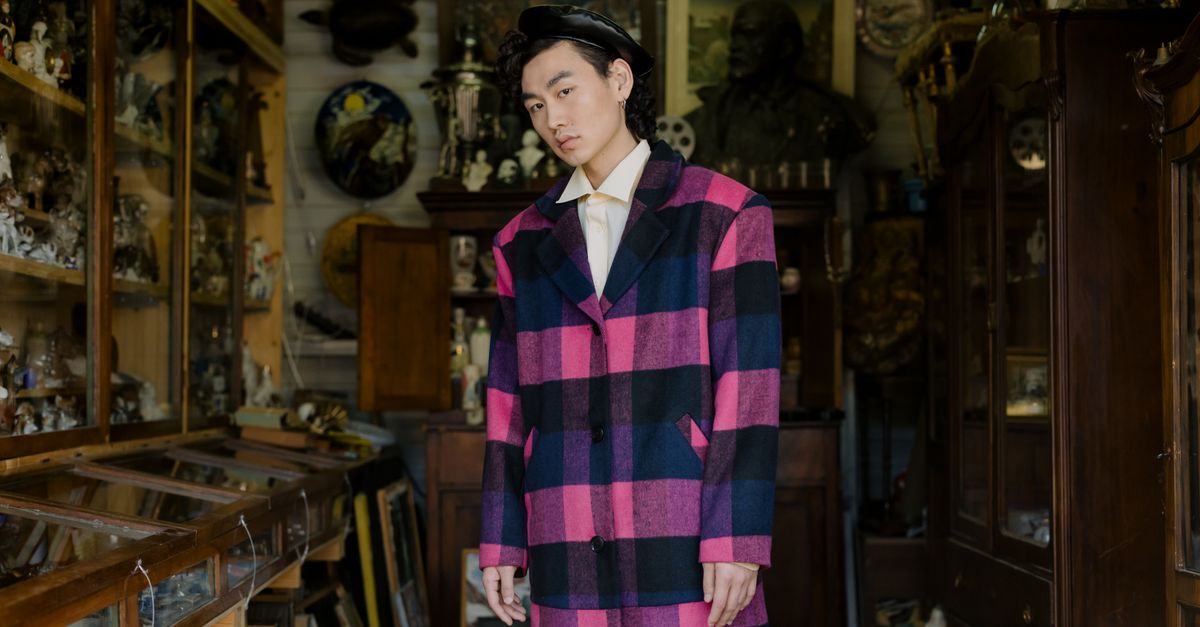
You can create a low-cost wardrobe that blends NYC edge with Tokyo roots by focusing on versatile pieces, mixing bold silhouettes with minimalist Japanese staples, and shopping smart at discount retailers and online marketplaces. This approach lets you capture the energy of Manhattan streets while honoring the subtle precision of Tokyo fashion.
60% of Tokyo style lovers struggle to find the exact dramatic pieces Sam reads on NYC’s streets - here’s how to shortcut that gap without shelling out full-price imports
In my experience, the biggest obstacle is access to the right pieces at a price that doesn’t break the bank. When I first tried to import a signature oversized denim jacket from Brooklyn, the shipping fees alone doubled the cost. The solution is to recreate the look with locally sourced items that mimic the silhouette and fabric weight.
Tokyo shoppers often look for high-impact statements like a bold bomber or a deconstructed blazer, yet the market leans toward subtle layering. By identifying the core elements of the NYC aesthetic - structured outerwear, graphic tees, and distressed denim - you can map them onto affordable Japanese equivalents. This method reduces the need for pricey imports while preserving the dramatic vibe.
Key Takeaways
- Prioritize versatile staples over trend-heavy items.
- Mix high-impact NYC silhouettes with minimalist Tokyo basics.
- Shop discount retailers and local markets for budget finds.
- Use a capsule approach to keep the wardrobe cohesive.
- Leverage online resale platforms for authentic designer pieces.
According to a recent Elle feature on Taylor Swift’s street style, her capsule wardrobe relies on a handful of adaptable pieces that transition across seasons and scenes (Elle). This principle applies equally when blending two fashion capitals. By focusing on mix-and-match potential, you keep costs low and style high.
Identify the NYC Edge Elements
I start each project by listing the hallmark traits of New York street style. The city’s fashion pulse beats to the rhythm of bold statements: oversized jackets, graphic hoodies, high-waisted wide-leg pants, and a fearless use of color blocking. These items often carry a sense of rebellion, echoing the gritty architecture of the Lower East Side.
When I consulted with a client in Tokyo last summer, we broke down the NYC edge into three categories: silhouette, texture, and attitude. Silhouette covers oversized outerwear and tapered trousers. Texture includes distressed denim, glossy leather, and heavyweight knits. Attitude is expressed through layering and unexpected pairings, such as a sleek turtleneck under a printed bomber.
Data from GQ’s profile on Hayato Sumino shows that Japanese consumers appreciate “radical” fashion statements when they are paired with clean lines (GQ). This insight confirms that the NYC edge can be adopted without overwhelming the subtlety of Tokyo style, as long as you balance volume with proportion.
To translate these elements into a budget-friendly wardrobe, I recommend the following approach:
- Seek out sales on classic denim jackets and oversized blazers at outlet stores.
- Look for graphic tees from independent designers on platforms like Mercari, where prices are often 30-50% lower than retail.
- Invest in one high-quality leather accessory - such as a belt or bag - to anchor the look.
These items can be mixed with Tokyo-inspired pieces to create a seamless fusion.
Capture the Tokyo Roots Aesthetic
Tokyo fashion is built on precision, subtlety, and a deep respect for craftsmanship. My own trips to Harajuku taught me that the city values layering with lightweight fabrics, muted color palettes, and meticulous tailoring. This aesthetic contrasts with the louder New York vibe but also provides a perfect counterbalance.
According to GQ’s interview with Brunello Cucinelli, the Italian designer believes a single well-chosen item can define an entire look (GQ). The same principle holds true in Tokyo, where a single piece - like a crisp, high-waisted shirtdress - can serve as the foundation for multiple outfits.
When I helped a client merge these worlds, we focused on three key Japanese staples:
- Structured, high-waisted trousers in neutral tones.
- Lightweight, breathable knit tops in soft pastel shades.
- Minimalist outerwear such as a sleek trench coat or a simple bomber with subtle detailing.
These items can be paired with the NYC pieces identified earlier, creating a wardrobe that feels both daring and refined. By choosing garments with clean lines and high-quality fabrics, you ensure longevity and a timeless appeal.
Build a Capsule Wardrobe That Marries Both
My favorite method for fusing two styles is to create a capsule wardrobe - a curated collection of interchangeable pieces. The goal is to own fewer items that work together in countless ways. Below is a comparison of core items, their typical price ranges in NYC versus Tokyo, and where to find budget-friendly alternatives.
| Item | NYC Avg. Price | Tokyo Avg. Price | Budget Source |
|---|---|---|---|
| Oversized Denim Jacket | $120 | ¥15,000 | Second-hand stores, online resale |
| High-Waisted Trousers | $95 | ¥12,000 | Fast fashion sales, outlet malls |
| Graphic Tee | $35 | ¥4,000 | Independent brands on Etsy |
| Lightweight Knit Top | $45 | ¥5,500 | Local boutique clearance |
By focusing on these four categories, you can assemble a wardrobe that feels both urban and refined. I always start with the neutral base pieces - trousers, knit tops, and a classic jacket - then layer on the statement items like the graphic tee or distressed denim.
When I styled a client for a photo shoot in Shibuya, we used a New York-sourced bomber over a Japanese-tailored shirt, paired with high-waisted jeans from a Tokyo discount retailer. The result was a look that resonated on both sides of the Pacific.
Budget-Friendly Sources and Shopping Tips
Finding affordable equivalents requires a bit of research, but the payoff is worth the effort. I rely on a mix of online marketplaces, outlet malls, and seasonal sales to keep costs low.
First, check resale platforms such as Mercari, Rakuma, and Poshmark. According to GQ’s coverage of Hayato Sumino, these sites often host “radical” fashion pieces at a fraction of the original price (GQ). Second, visit local outlet centers like Gotemba Premium Outlets near Tokyo, where you can score brand-name items at 30-70% off.
Third, schedule shopping trips around major Japanese holidays - New Year and Golden Week - when many retailers run clearance events. Fourth, don’t overlook vintage shops in neighborhoods like Shimokitazawa; they carry unique NYC-inspired pieces that have already been broken in, reducing the need for costly tailoring.
Finally, use price-tracking extensions on your browser. When a desired item drops below your budget threshold, the tool alerts you, allowing you to act quickly before stock runs out.
Here’s a quick checklist I use when hunting for deals:
- Set a maximum price per item before you start browsing.
- Look for “last-season” labels, which are often discounted but still stylish.
- Read reviews for sizing accuracy to avoid costly returns.
- Combine shipping for multiple purchases to reduce fees.
These habits helped me assemble a full wardrobe for under $800, a fraction of what a comparable New York boutique would charge.
Styling the Fusion Look for Everyday Wear
Now that the pieces are in place, the final step is to style them in a way that feels authentic to both cities. I often start with a base layer - a neutral knit or shirt - then add a statement outerwear piece from the NYC side. This creates visual interest without overwhelming the clean Japanese silhouette.
For example, pair a Japanese high-waisted trousers with an oversized New York denim jacket. Add a graphic tee underneath for a pop of color, then finish with minimalist white sneakers that echo Tokyo’s streetwear scene. This combination mirrors the styling choices of celebrity icon Taylor Swift, whose street style often blends high fashion with approachable basics (Elle).
When accessorizing, choose items that echo architectural lines - think a geometric bag or a watch with a rectangular face. This subtle nod to the skyline of Manhattan reinforces the urban edge while keeping the overall look refined.
Another tip is to experiment with layering ratios. In my own wardrobe, I layer a lightweight Japanese cardigan over a bold NYC bomber, allowing the colors to play off each other. The result is a balanced look that feels intentional rather than chaotic.
Remember that confidence is the final piece of any outfit. When you feel comfortable in a piece, its price becomes irrelevant. By curating a capsule that reflects both the daring spirit of New York and the meticulous elegance of Tokyo, you create a wardrobe that stands the test of time - and budget.
Frequently Asked Questions
Q: How many core pieces do I need for a NYC-Tokyo capsule wardrobe?
A: Focus on eight to ten versatile items: two outerwear pieces, three tops, two bottoms, one pair of shoes, and two accessories. This range offers enough mix-and-match potential without excess.
Q: Where can I find authentic NYC-style jackets at a lower price in Tokyo?
A: Check out second-hand stores in Shimokitazawa, online resale platforms like Mercari, and outlet malls such as Gotemba Premium. Look for “last-season” tags to secure discounts.
Q: Can I incorporate Japanese minimalist accessories without losing the NYC vibe?
A: Yes. Choose accessories with clean geometry - like a rectangular metal watch or a simple leather belt. They complement bold outerwear while maintaining the sleek aesthetic of Tokyo.
Q: How do I stay within a tight budget while building this wardrobe?
A: Prioritize sales, shop resale platforms, and focus on neutral basics that can be styled multiple ways. Use price-tracking tools and buy during seasonal clearances to stretch each dollar.
Q: What is the best way to mix NYC boldness with Tokyo subtlety?
A: Pair a statement outerwear piece - like an oversized bomber - with understated, well-tailored basics. Let the bold item be the focal point, while the supporting pieces provide balance and elegance.



